
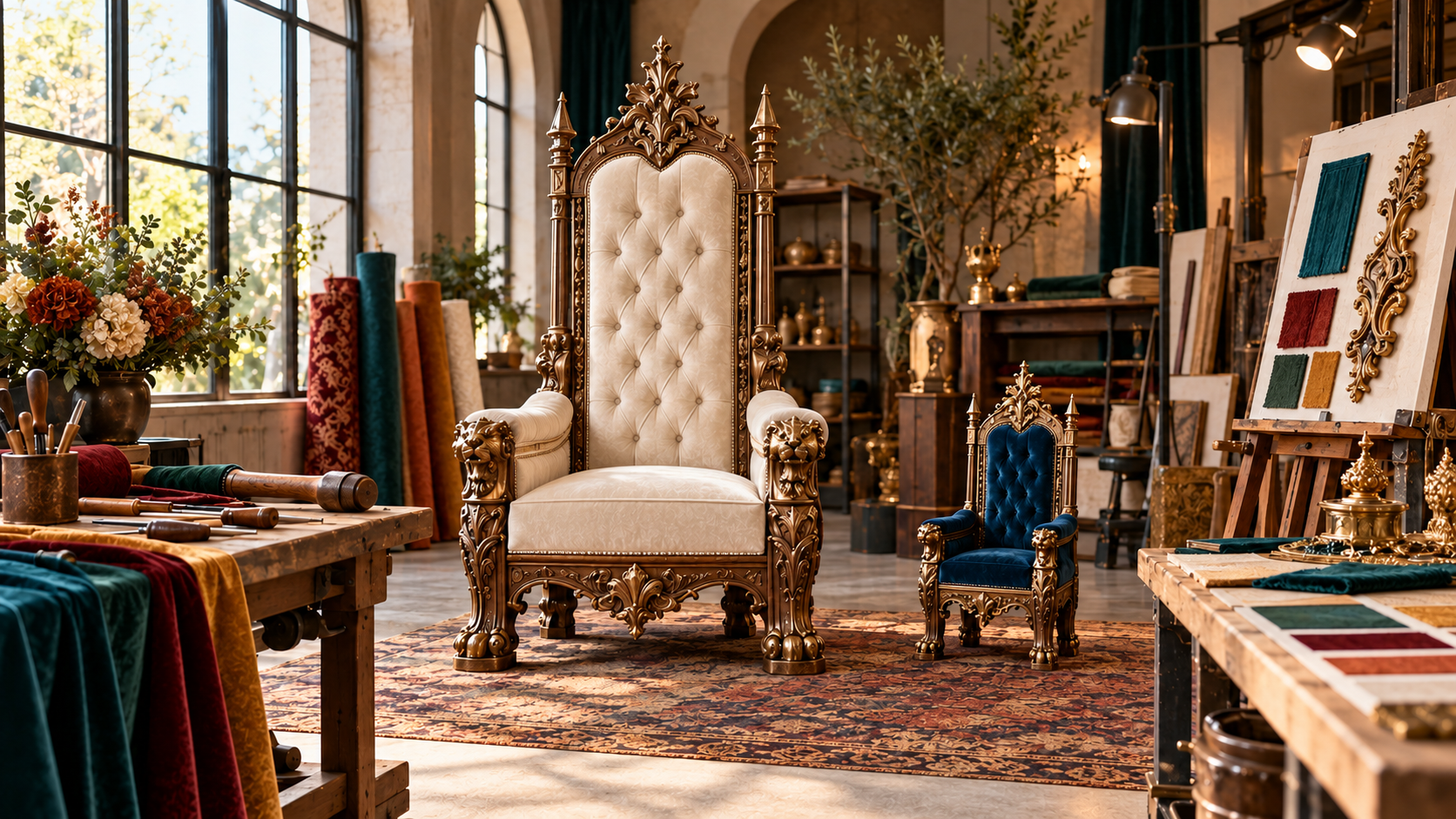
Product Reviews explores the details that help statement seating work in real settings. A striking silhouette is only the beginning: dimensions, construction, upholstery, surface finishes, assembly, and maintenance all shape the experience. This section considers throne chairs, themed seating, photo-op furniture, and related display products through the needs of their intended spaces. A chair for an occasional celebration raises different questions from a piece used daily in a busy attraction. Look for clear distinctions between decorative props and seating intended to support occupants, and between supplied specifications and independently verified performance. Reviews should explain what is known, what remains uncertain, and which design priorities a product serves. Material quality, repair access, transport requirements, and replacement parts deserve attention alongside visual character. Comparisons can reveal tradeoffs without declaring one style right for every project. Use this section to understand products in context, develop more informed questions for suppliers, and recognize where a custom approach may better suit an unusual concept. The aim is thoughtful evaluation that connects imaginative design with practical expectations for use.
Throne Foundations
Begin a seating review with the intended setting and interaction. A decorative display, an event rental, and a regularly occupied chair are different products to evaluate.
Identify the exact item or version and distinguish its overall silhouette from its usable seating area. Then establish the basis of the review: direct examination, hands-on use, supplied specifications, or documented research. Readers should understand what has actually been observed before they are asked to rely on conclusions about fit, construction, or everyday use.
Royal Facts
Published dimensions may include a tall crest or projecting arms while saying little about usable seat width, depth, and height. Product photographs may also include a backdrop or accessories sold separately. Record those distinctions.
A material description such as wood or metal does not explain every component in the assembly. Note which details are documented and which remain unavailable. Color, scale, and surface texture can look different across photographs, so avoid treating one polished image as a complete account of the product.
Royal Picks
Build a shortlist around the project's priorities. For repeated events, compare transport, assembly, contact-surface care, and replacement options. For an interior focal point, examine usable fit, proportions, material transitions, and the relationship to the room.
For a touring display, include packed dimensions and setup requirements. Request the same core information for each candidate so comparisons remain fair. A useful recommendation explains who the item suits and where its limitations matter instead of presenting ornament or a headline price as the deciding factor.
Behind the Throne
Look for the construction details that promotional views omit: the underside, back, upholstery attachment, component junctions, and any assembly hardware. Separate what can be inspected from what the supplier states. If hands-on access is unavailable, make that limitation explicit.
Discuss how replaceable parts are reached and what care information accompanies the item. Do not infer a load rating, service life, or suitability for public interaction from appearance. Those claims need specific documentation for the product and intended application.
Throne Wonders
Compare an isolated catalog view with an occupied image and a contextual room view. The same chair can shift from delicate to imposing as its surroundings change.
A dramatic crest may disappear behind the sitter, while a modest material contrast may become its strongest feature in natural light. These observations can make a review more useful than a specification list alone. Describe the visual experience clearly while keeping it separate from claims about concealed workmanship or performance that the images cannot establish.
Throne FAQs
Does a review mean the product was physically tested? Only when the article explicitly states the test or examination performed.
Can specifications change? Confirm the current version and details with the supplier when making a project decision.
Should every review name a universal winner? A qualified recommendation tied to a particular setting is more useful.
What belongs in the conclusion? The strongest observed qualities, the relevant limitations, unresolved information, and the type of project for which the evidence supports considering the item.