
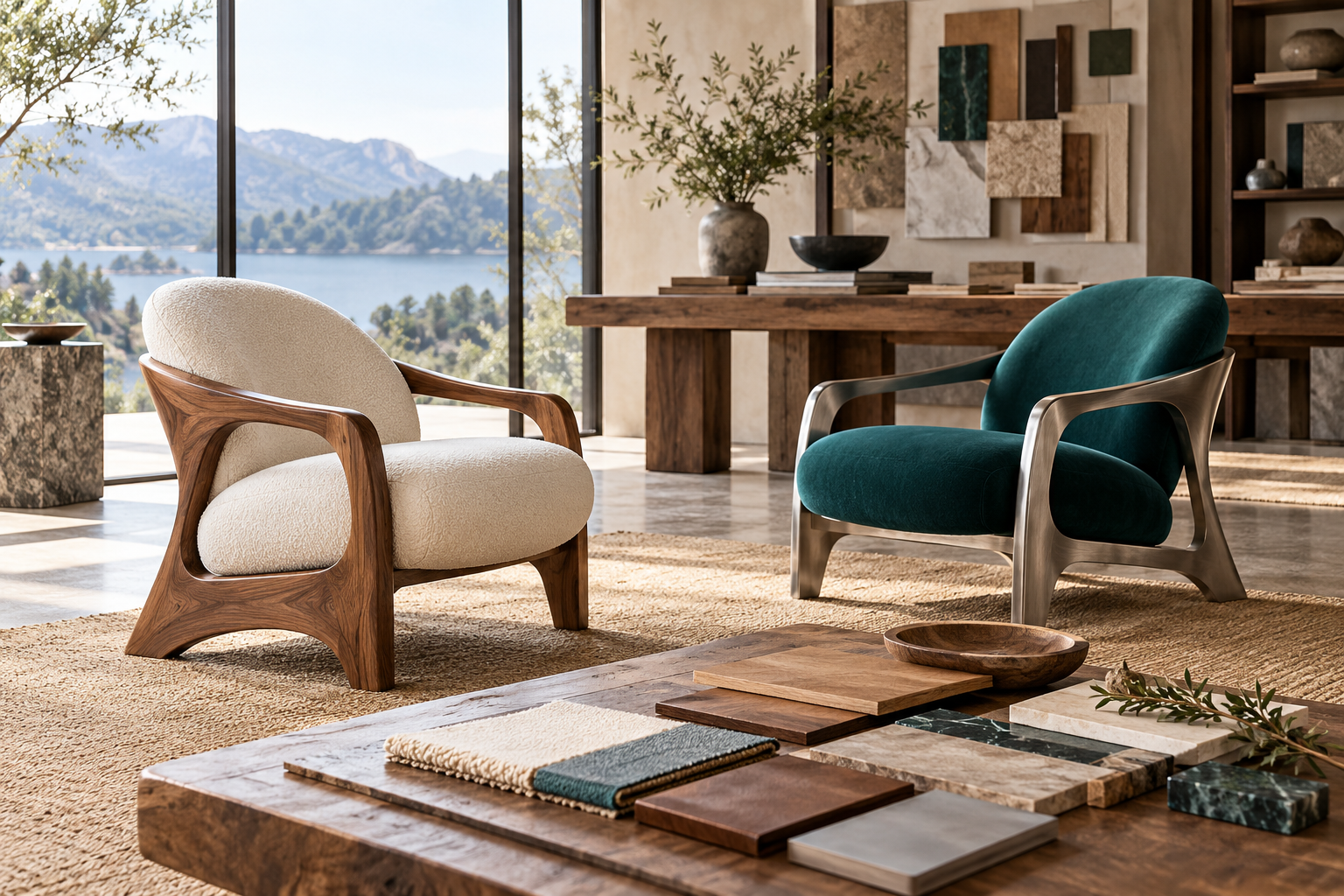
Good seating design rarely comes from declaring one material, method, or format universally best. It comes from understanding how different approaches respond to a particular purpose. Design Comparisons brings those tradeoffs into focus for statement chairs, ceremonial thrones, themed seating, oversized forms, and photo-op installations. Compare materials by the jobs they perform, construction methods by the forms they can support, and seating formats by the experiences they create. Indoor and outdoor conditions, temporary and permanent use, modular assembly, upholstery, and finish choices all introduce their own questions. A custom build, a rental, and an adaptation may each suit a different brief, but they should be compared against the same clearly stated needs. This section emphasizes design decisions rather than product rankings. Explore the evidence that makes a comparison useful: dimensions, intended interaction, samples, site constraints, maintenance, and the complete operating cycle. By looking at strengths and limitations together, you can move beyond an attractive image toward an approach that makes sense for the physical object, its occupants, and the place it will belong.
Throne Foundations
Compare alternatives against the same brief. Purpose, intended use, site, scale, appearance, duration, and care requirements provide a fair basis for evaluation.
Royal Facts
A low component price does not describe a complete installation. Fabrication, finishing, transport, assembly, operation, and refurbishment can change the practical comparison.
Behind the Throne
Separate visible appearance from underlying construction. Similar-looking seats may use very different structural, decorative, and surface systems.
Throne Wonders
The best answer may combine approaches: a durable seating core, removable scenic ornament, replaceable upholstery, and a finish chosen for the actual setting.
Material Comparisons
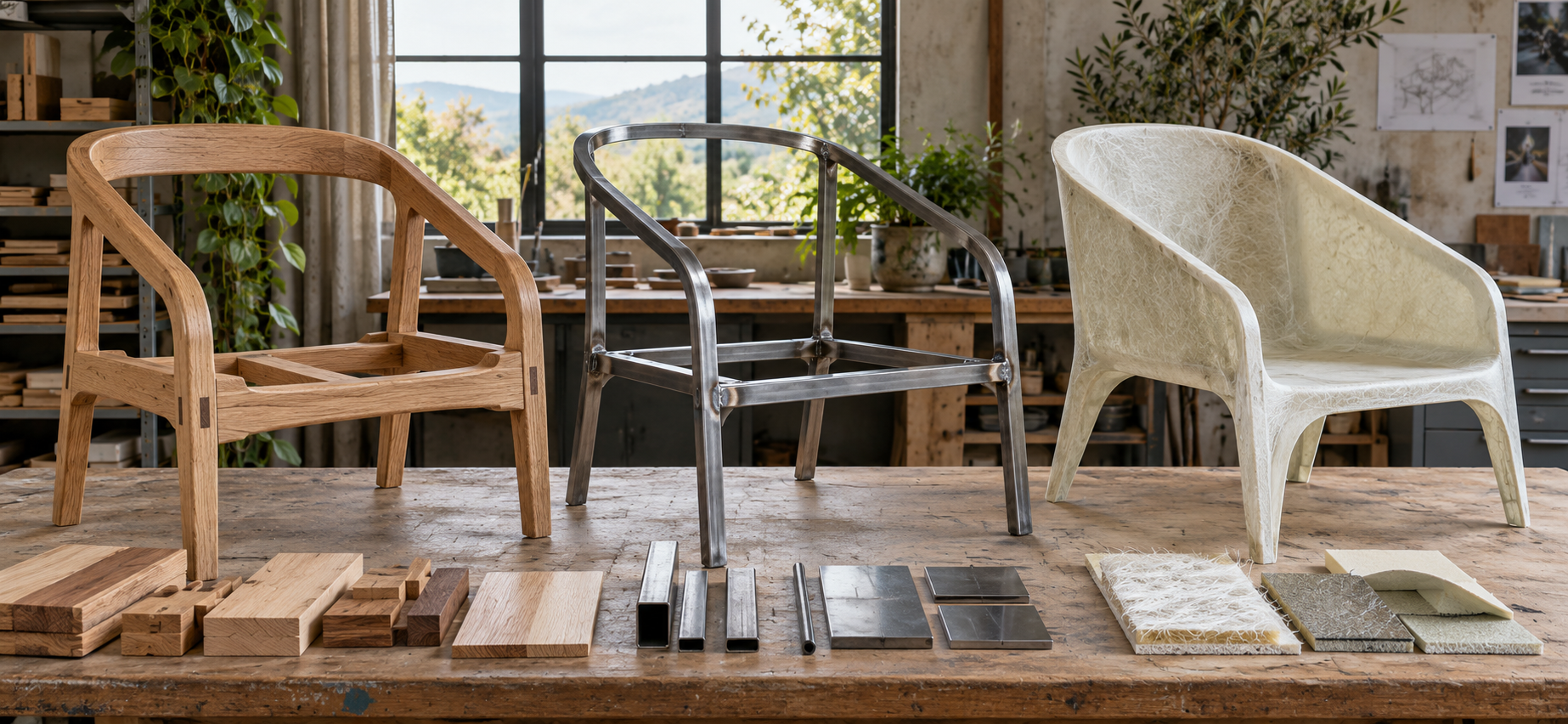
Materials give statement seating both its physical behavior and its visible character. Timber can express grain and craftsmanship, metal can define slender frameworks, and sculpted skins can create forms that appear much heavier or stranger than their underlying construction. Choosing between them starts with the…
Read More »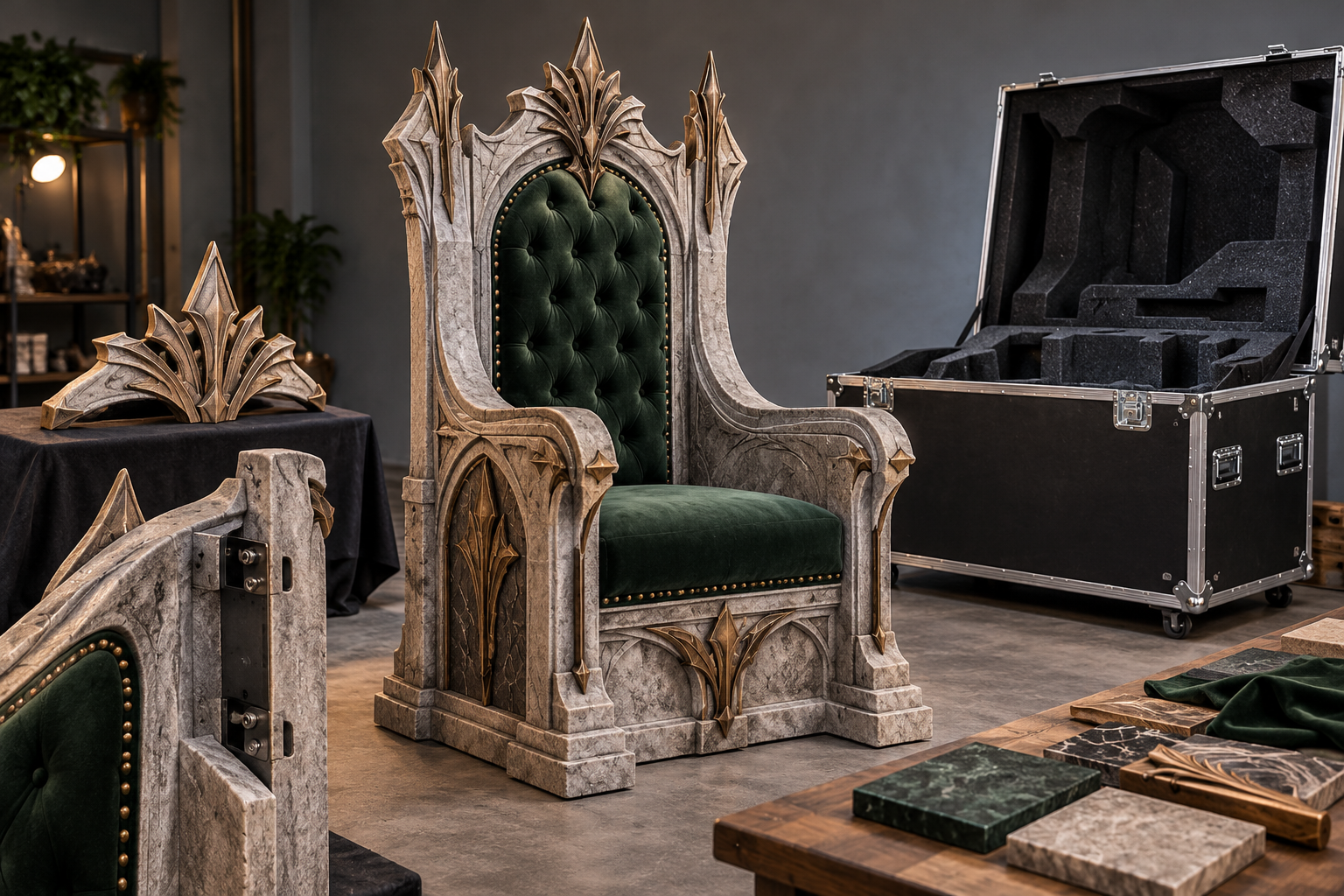
Construction Method Comparisons
Two seats can look similar while being made in very different ways. A carved timber form, a fabricated metal frame with decorative panels, and a sculpted scenic shell each create their own opportunities and constraints. Construction Method Comparisons looks beneath the surface to compare those…
Read More »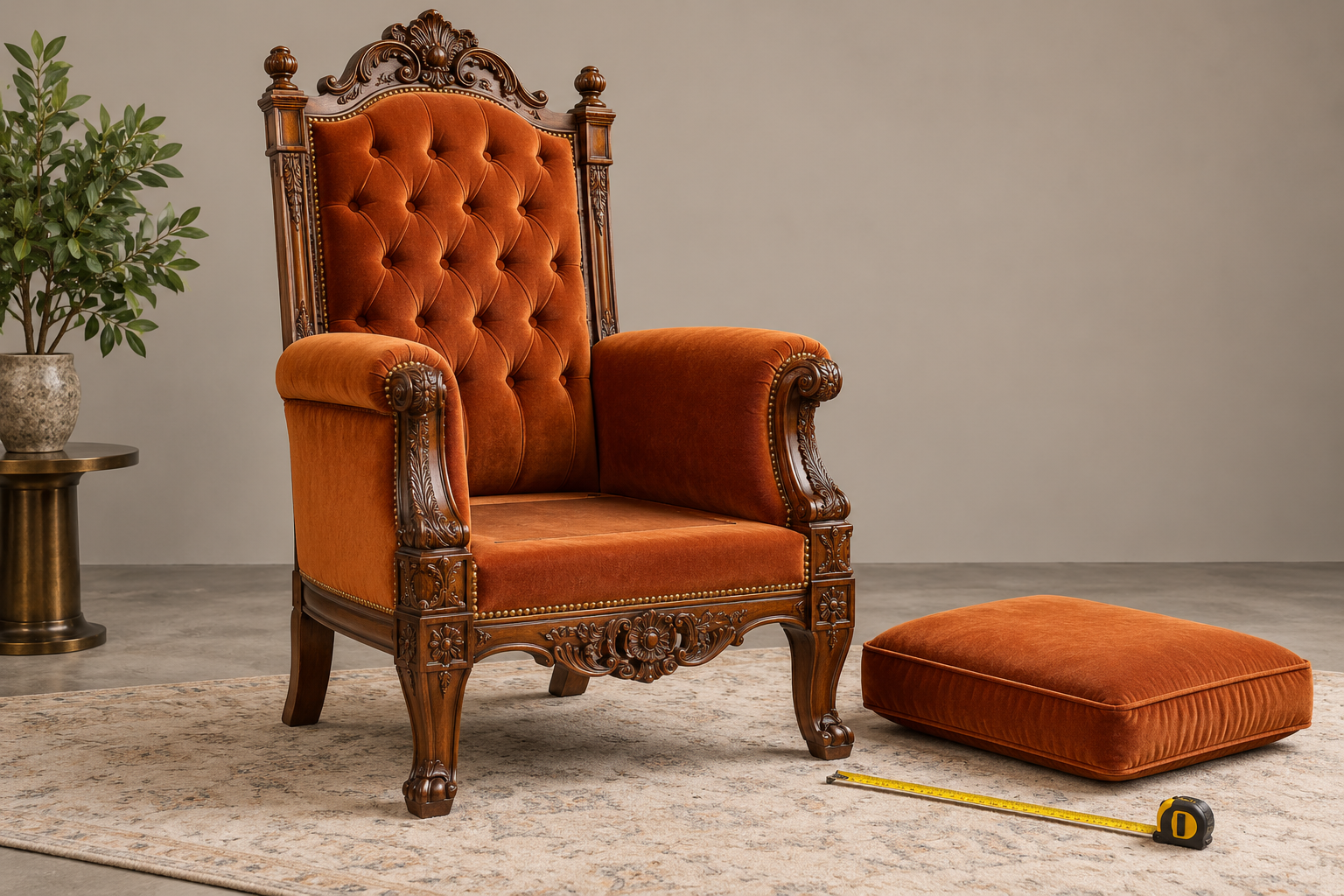
Scale & Seating Format Comparisons
Scale changes how a seat is understood, while format changes how people use it. A single ceremonial chair, a paired arrangement, a shared bench, and a giant landmark can all create presence through very different relationships with the occupant. Scale & Seating Format Comparisons explores…
Read More »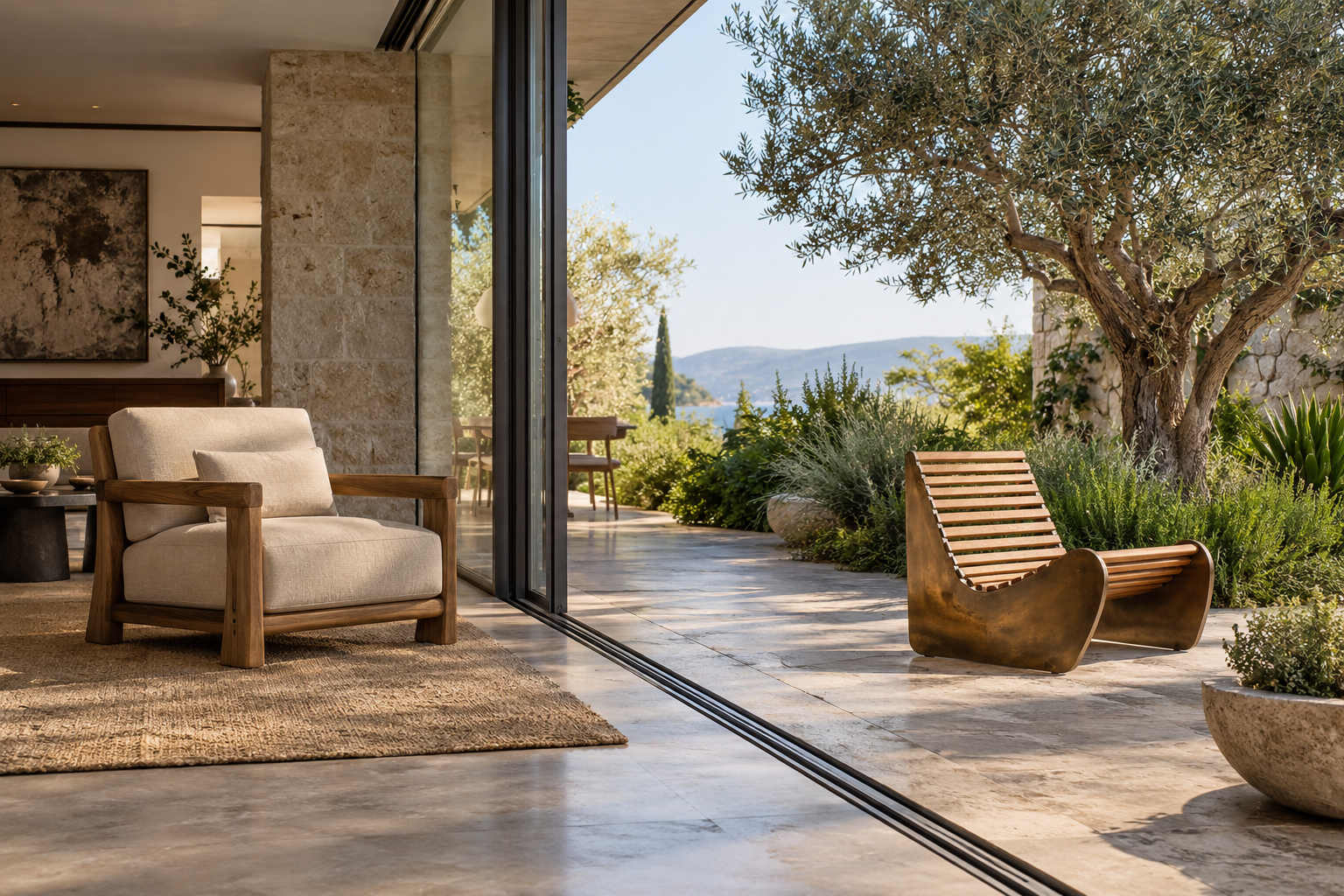
Indoor & Outdoor Design Comparisons
Moving a seating concept outdoors changes more than its backdrop. Light, moisture, temperature, wind, surrounding surfaces, and maintenance routines can alter the choices that made sense inside. Even the boundary between indoors and outdoors is not always simple: an open-sided pavilion, covered entrance, or sunny…
Read More »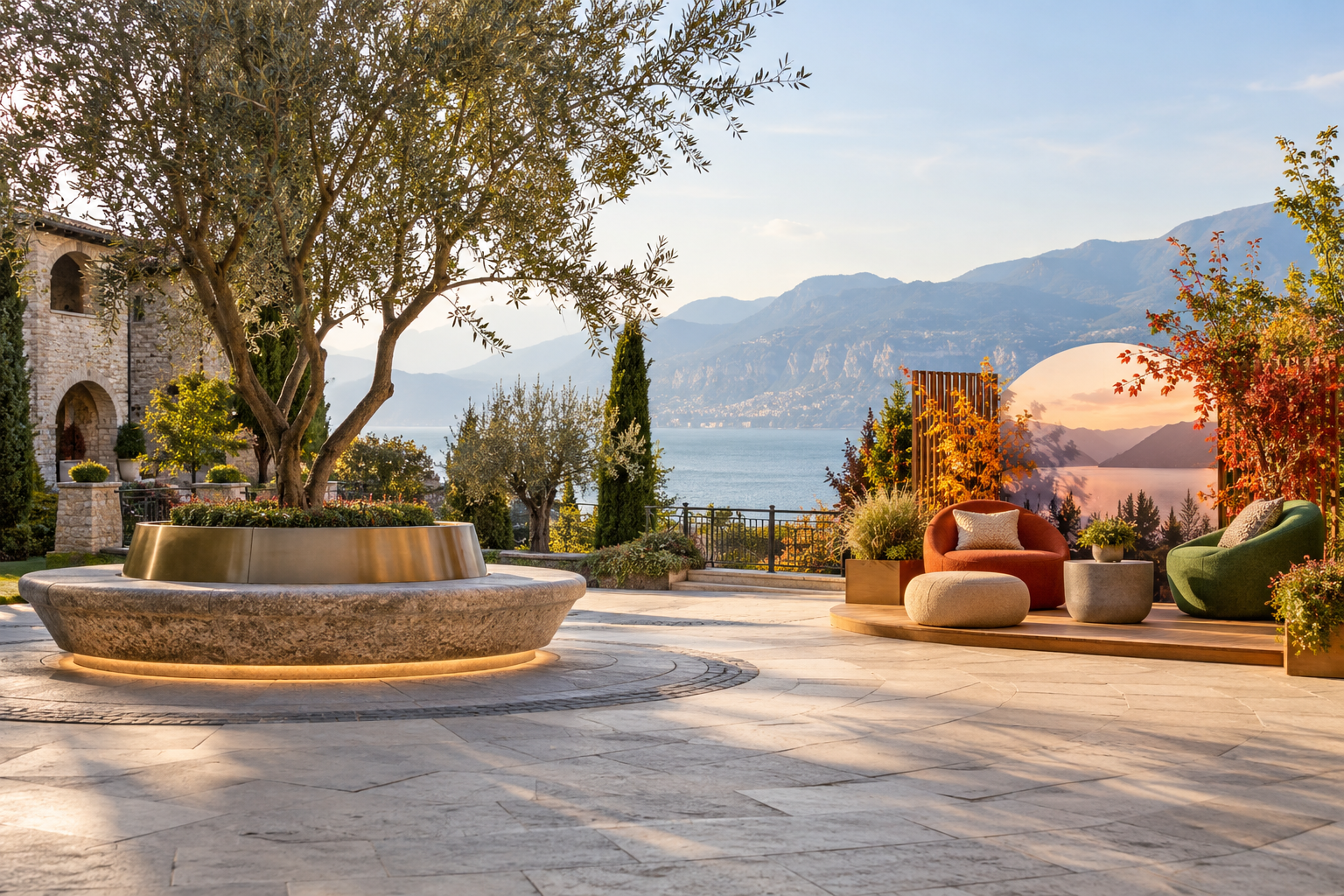
Temporary & Permanent Installations
The life of an installation shapes the way it should be designed. A chair created for a short event may need rapid assembly and efficient packing, while a permanent attraction may prioritize long-term service access and integration with its site. Between those extremes are seasonal…
Read More »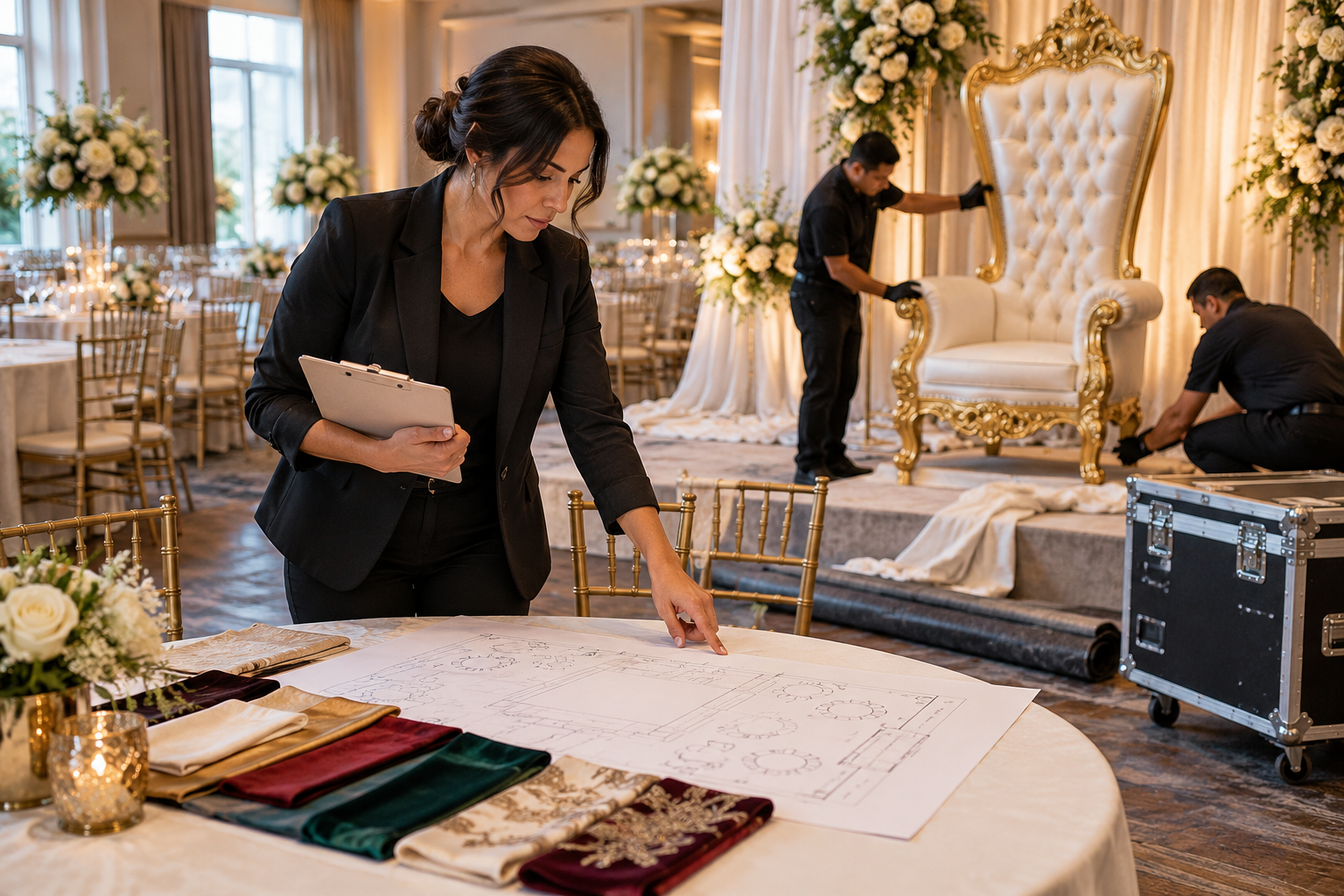
Custom Build, Rental & Adaptation
A distinctive seating concept can reach an event or destination through several routes. It may be designed and fabricated from the beginning, selected from an existing rental collection, or developed by adapting a suitable object. Custom Build, Rental & Adaptation compares those paths through the…
Read More »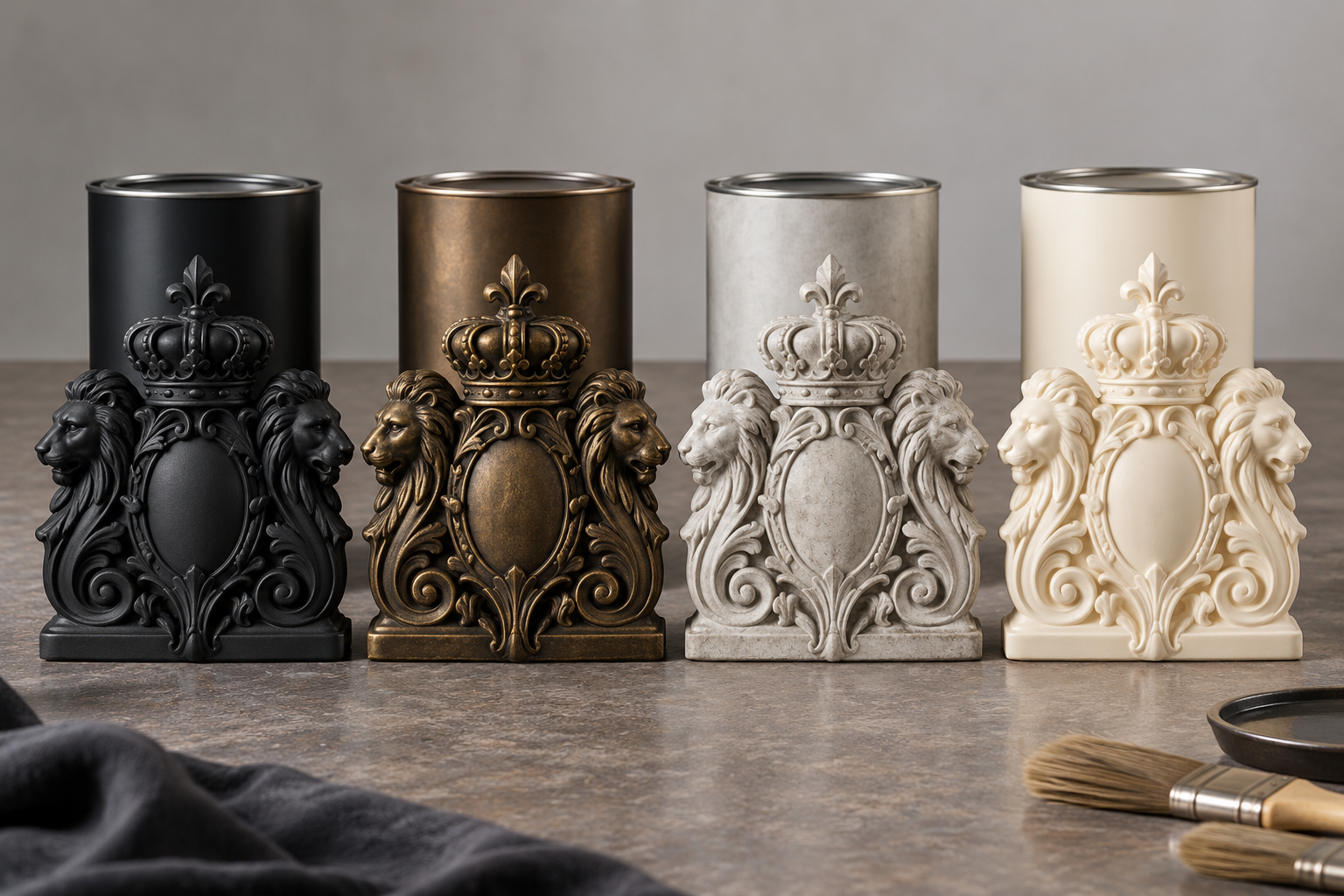
Finish & Upholstery Comparisons
The final surface of a seat affects how it looks, feels, photographs, and responds to use. Painted timber, metallic effects, textured skins, smooth upholstery, deep channels, and patterned fabric each create different relationships with the underlying form. Finish & Upholstery Comparisons explores those choices as…
Read More »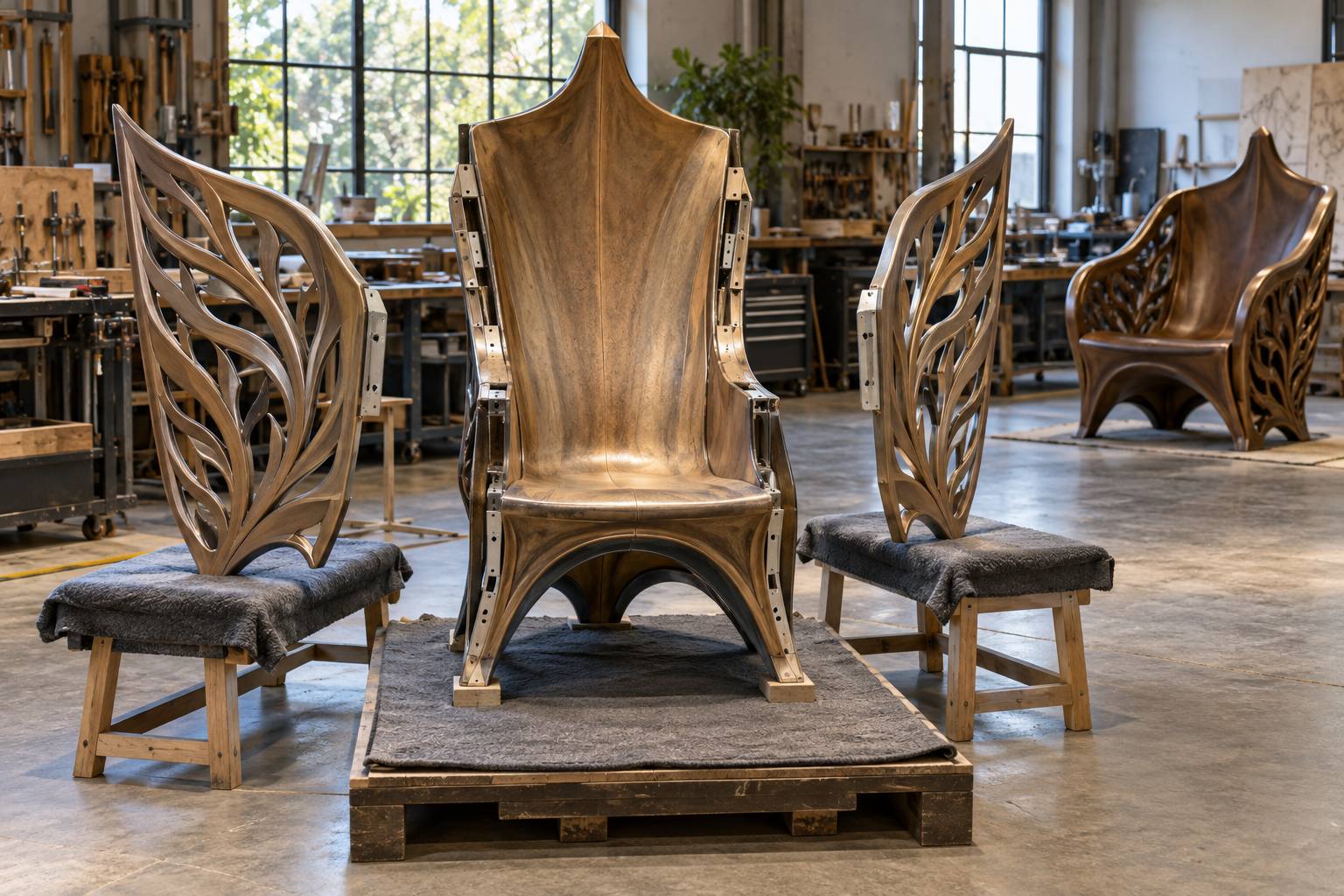
Modular & One-Piece Construction
The way a seat comes apart can be as important as the way it comes together. A one-piece form may offer a clean silhouette, while a modular approach can make transport, installation, repair, and storage more manageable. Neither strategy is automatically the better design. This…
Read More »