
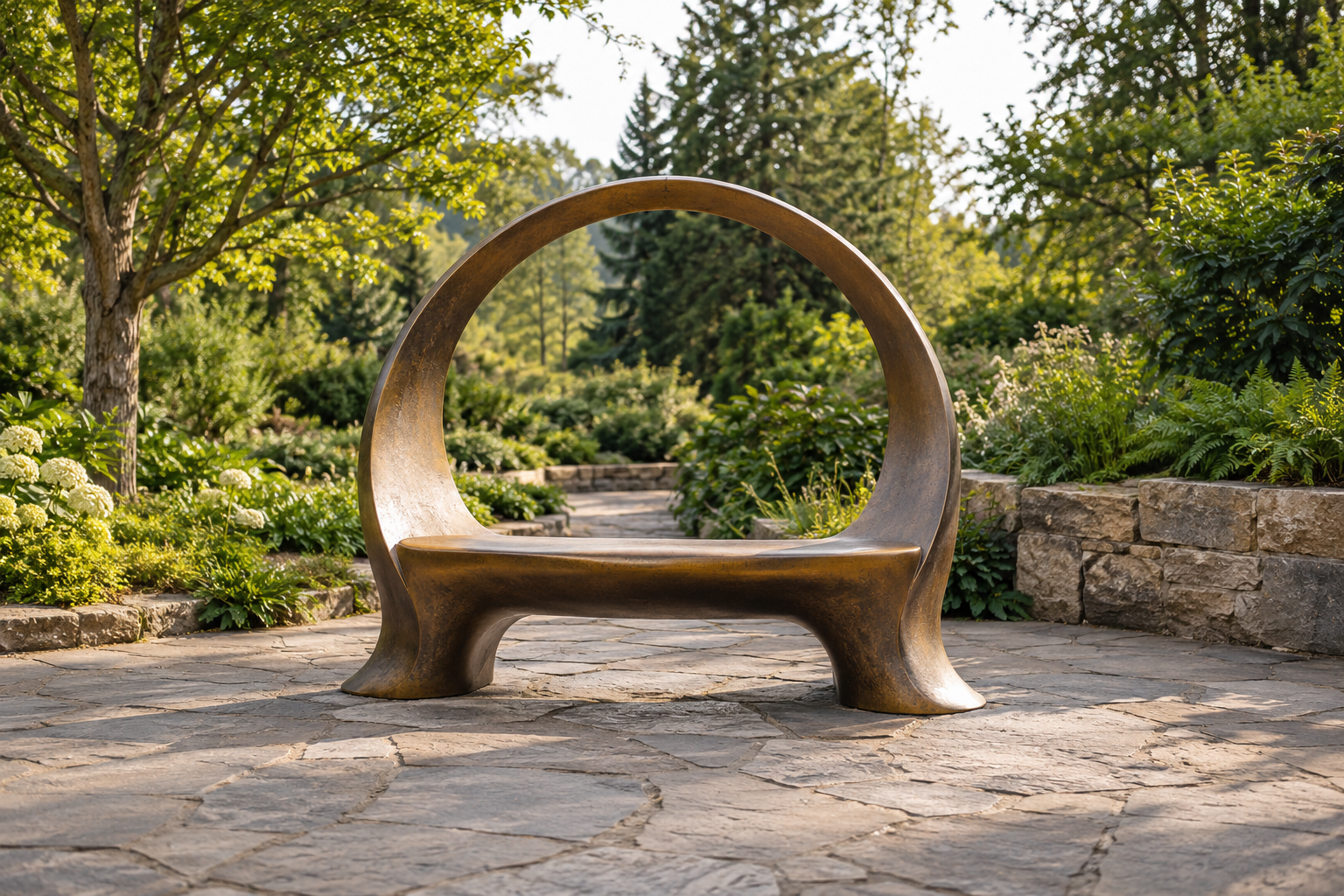
A permanent seating attraction becomes part of a place's everyday life. It may welcome visitors at a destination entrance, provide a recognizable photograph in a public garden, or anchor a themed interior for years. That long relationship changes the design brief. The initial visual impact matters, but so do repeated use, changing light, maintenance access, seasonal conditions, and the way the surrounding site evolves. This section explores seating installations intended to remain in one location over an extended period. We consider how a distinctive form can belong to its environment, how materials support the intended appearance, and how replacement or refurbishment can be anticipated without weakening the concept. Visitor patterns deserve the same attention as the object: people need to find it, approach it, understand it, and move on naturally. Discover strategies for durable visual identity, integrated settings, serviceable details, and thoughtful site planning. A lasting attraction is more than an impressive opening-day photograph. It is a seating experience designed to stay coherent, usable, and cared for as it becomes familiar to the people who encounter it.
Throne Foundations
Treat permanent seating as an ongoing installation rather than a finished object that needs no further thought. Define its intended setting, patterns of use, and relationship to the place around it.
A landmark in a garden, a covered attraction, and an interior focal point face different operating conditions. The design brief should connect the visual idea with access for care, replaceable parts, and responsibility for upkeep. Permanence is an intention for the installation, not a promise that every component will remain unchanged.
Royal Facts
Exposure is more specific than an indoor or outdoor label. A covered location may still experience wind-driven moisture, strong reflected light, or temperature changes. High-contact areas also have a different working life from protected ornament.
Record these conditions by location on the object. A hidden cavity, ground-level edge, and exposed crest may need different treatment. Document the actual assembly and approved care information so future staff can identify materials instead of choosing a treatment from the surface's appearance alone.
Royal Picks
Prepare a site survey, maintenance access sketch, component record, and sample set for the proposed finishes. Show how staff reach lights, concealed fixings, and replaceable surfaces.
Ask who will inspect and maintain the installation and what equipment they can realistically use. Include views of the surrounding landscape or interior as it changes through ordinary operation. A useful permanent-attraction proposal explains not only the opening-day photograph but also how the seat will remain legible, serviceable, and integrated with the site.
Behind the Throne
Work backward from a likely repair. If a contact panel is damaged, can it be removed without disturbing the main form? If a light fails, can its access cover be reached?
If the surrounding paving or planting changes, does the base remain accessible? These questions influence joints and clearances early in design. Keep an installation record showing component locations and approved replacements. A carefully planned maintenance path can preserve the intended appearance more effectively than concealing every practical detail behind uninterrupted scenery.
Throne Wonders
A permanent seat can become familiar without becoming visually static. Seasonal planting, changing daylight, or removable event dressing can alter its setting while the core silhouette stays recognizable.
Explore which parts should provide continuity and which can change. A recurring photograph from the same viewpoint may reveal those relationships over time. The design opportunity is to create an object that belongs to its place, with enough clarity to remain a landmark even as the surrounding environment evolves.
Throne FAQs
Does permanent mean every component must last equally long? No; planned replaceable parts can support the overall installation.
Is a covered site equivalent to an interior? Describe the actual exposure before making that assumption.
Can the attraction be relocated later? Consider removal and access in the original development if relocation is plausible.
What documentation should remain with the owner? Material identification, installation information, service access, approved care instructions, and records of changes help future teams understand the object they are maintaining.