
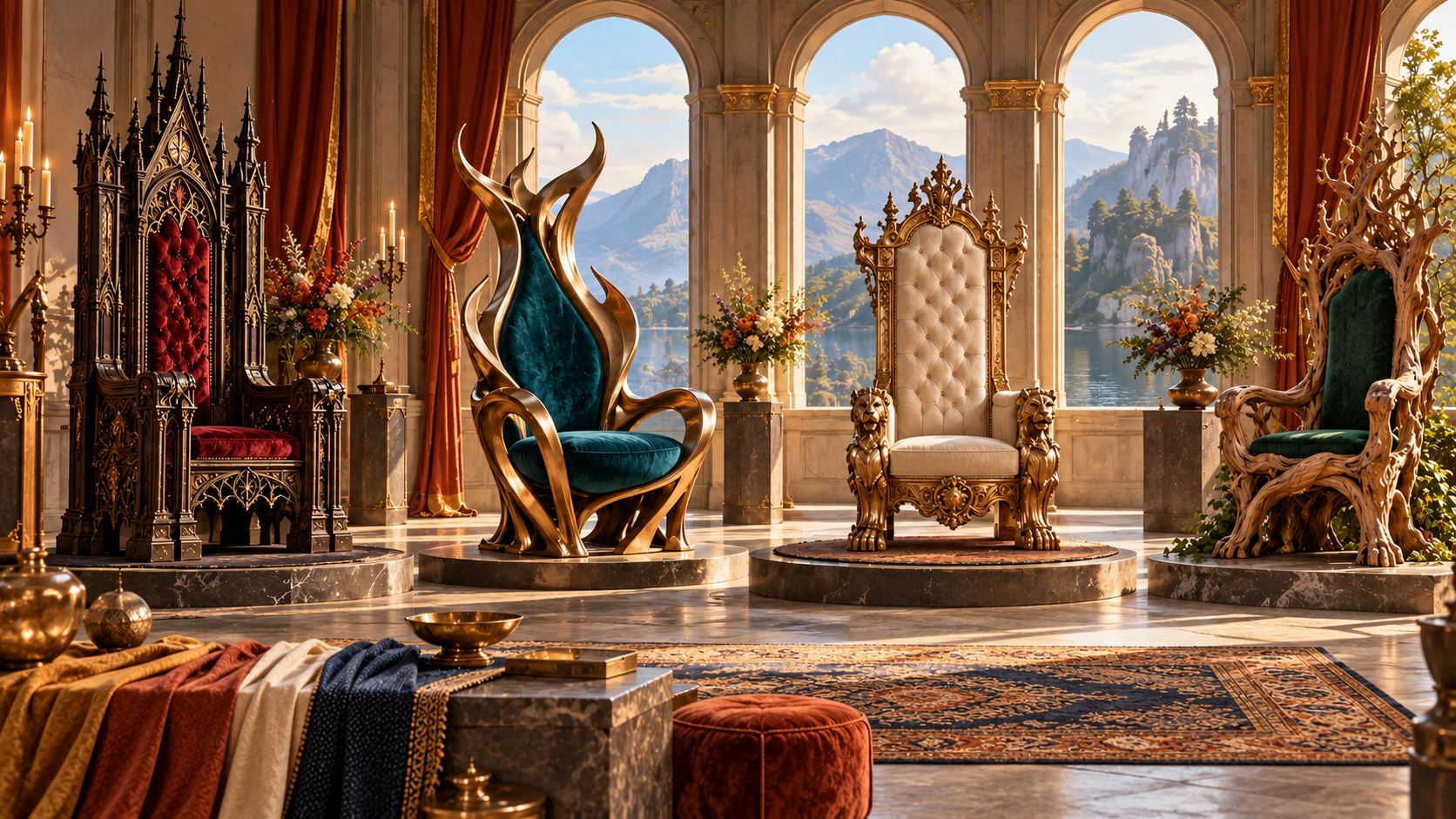
The character of a seat emerges through its silhouette, proportions, materials, colors, and details. Styles & Design explores that visual language across ceremonial thrones, sculptural chairs, oversized forms, and themed seating. A pointed arch can suggest a medieval influence; sweeping ornament can create theatrical richness; a clean folded plane can feel architectural and contemporary. These ideas become more useful when treated as design choices rather than rigid labels. We look at how historical references, natural forms, imagined creatures, and futuristic surfaces can shape original physical seating. Color and upholstery influence the mood as strongly as carved or fabricated details, while symbols and crests bring meaning that deserves thoughtful context. The surrounding space also changes what the object communicates. Explore ways to develop a coherent concept, balance strong features, and carry an idea from the broad outline into the smallest visible transition. Whether the goal is an inviting interior centerpiece or a spectacular attraction, a clear visual direction helps every element work together. Start with the feeling and form, then choose the details that make that intention visible.
Throne Foundations
Describe the desired visual effect before selecting decorative motifs. Quiet authority, playful exaggeration, organic movement, and theatrical richness lead to different choices.
Royal Facts
Style labels overlap. Compare specific features such as line, proportion, ornament, and material rather than assuming every object fits a single period or category.
Behind the Throne
Use a silhouette study and a restrained material palette to establish hierarchy. Secondary details should support the strongest idea instead of competing with it.
Throne Wonders
The same chair can feel different in a sparse gallery, a lush garden, or a dramatic set. Context is an active part of its visual character.
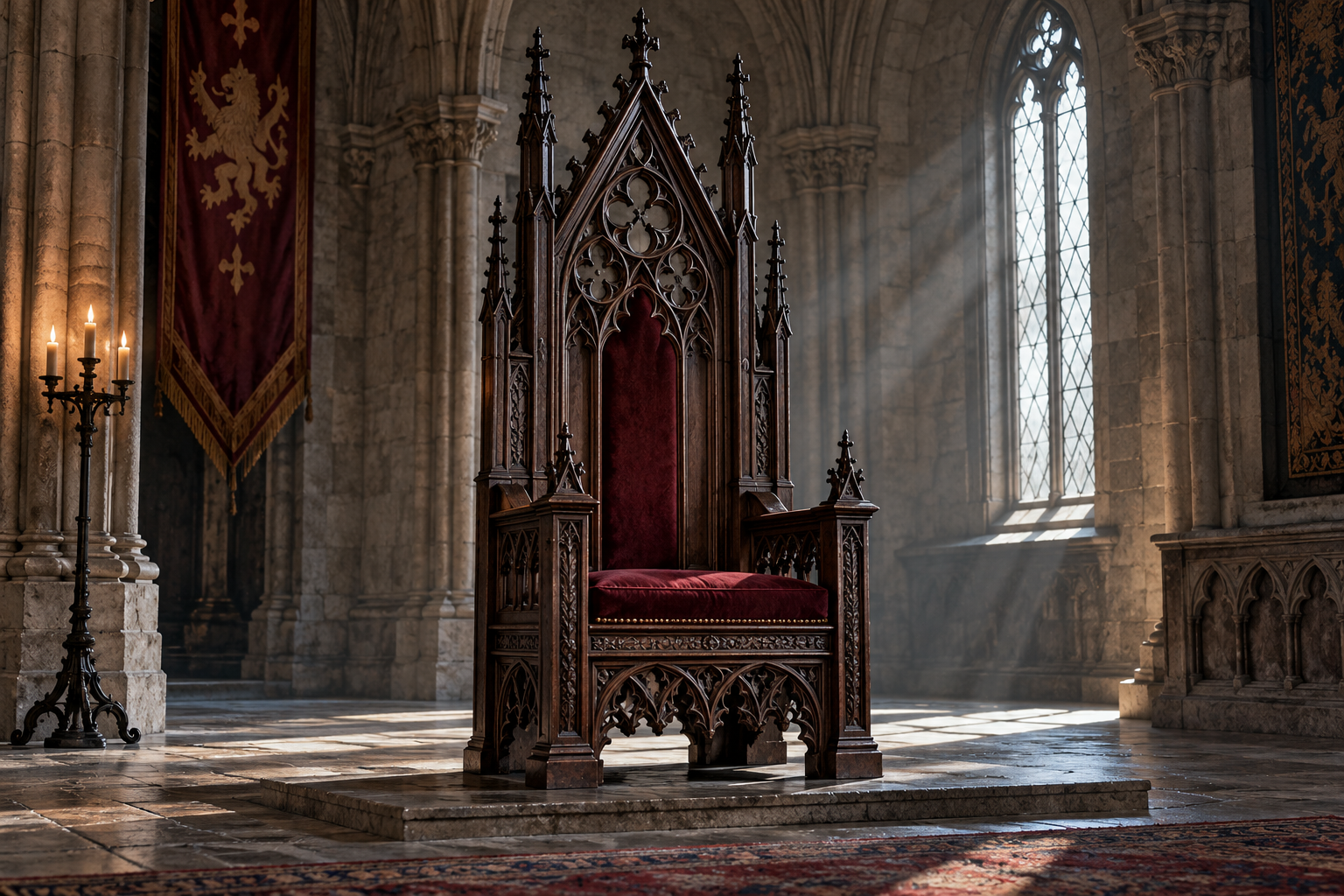
Gothic & Medieval Seating
Pointed arches, pierced tracery, and tall vertical forms can give a throne an unmistakably Gothic character, but appearance alone does not establish its age. Gothic & Medieval Seating explores both historical references and later interpretations, keeping those categories distinct. Look at the relationship between chair…
Read More »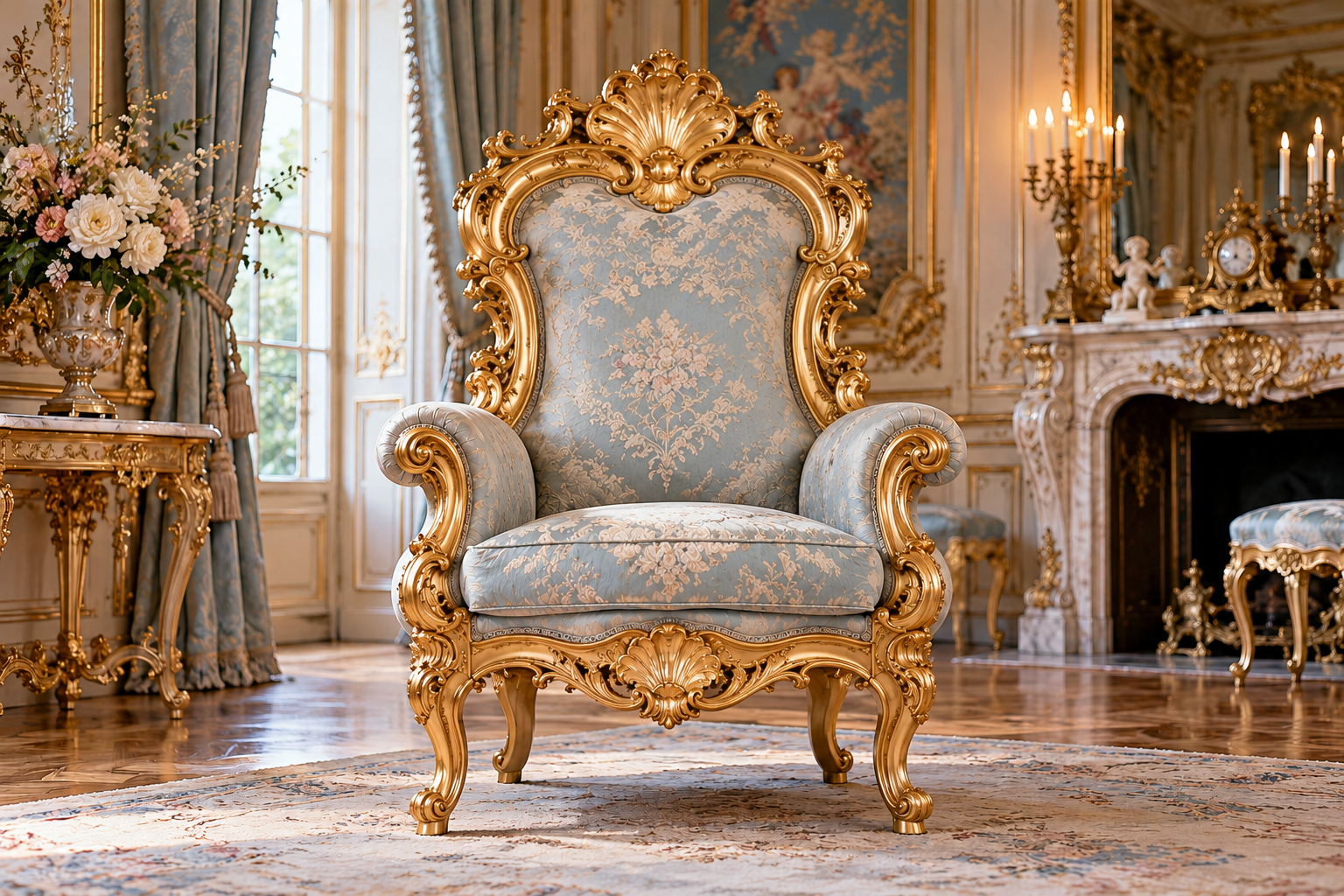
Baroque & Ornate Seating
Sweeping curves, layered ornament, and coordinated surfaces can turn a throne into the center of an entire decorative composition. Baroque & Ornate Seating examines how these visual approaches shape royal seating while preserving the distinctions between them. Rather than treating both names as shorthand for…
Read More »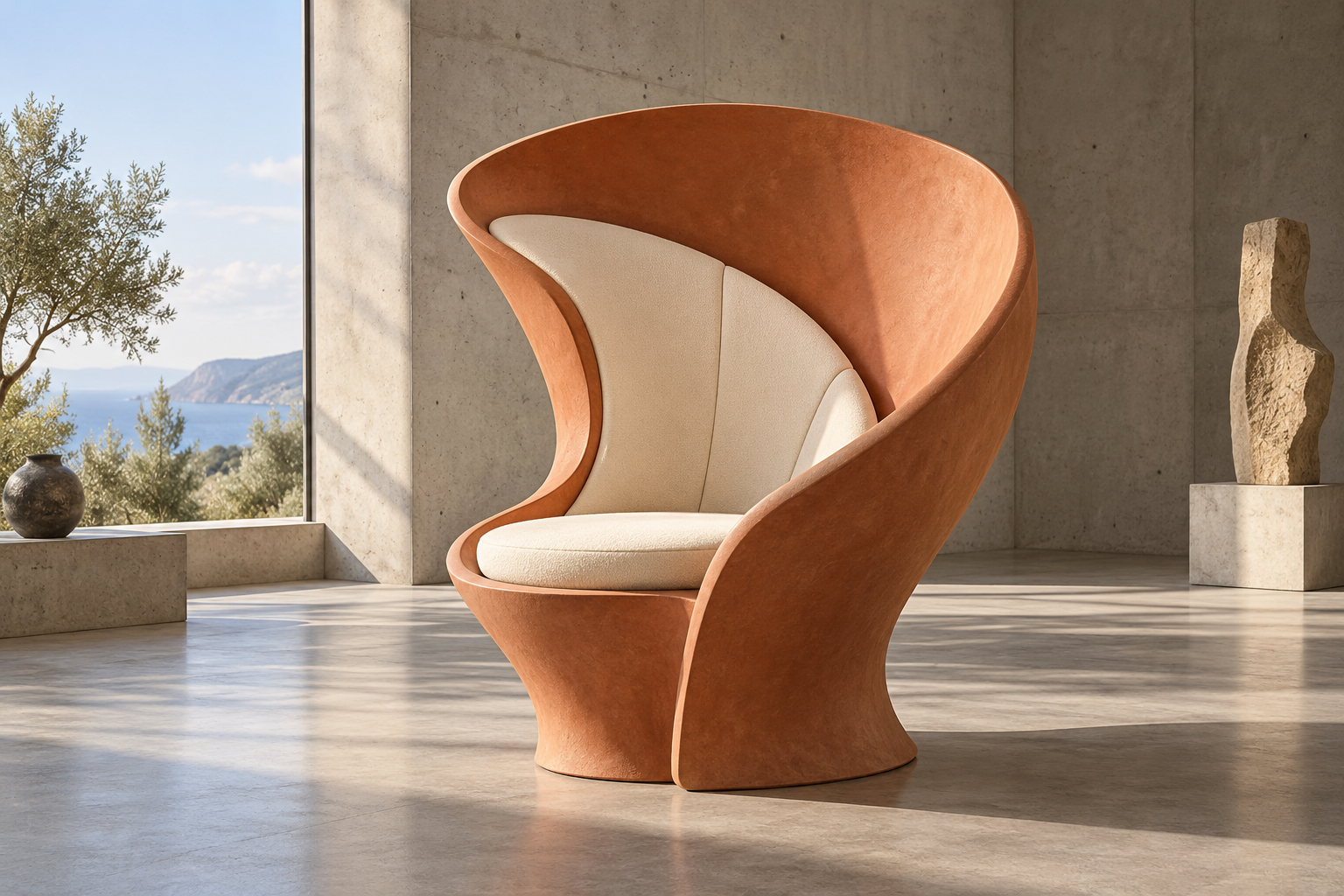
Modern & Architectural Seating
A throne does not need a crown-shaped back to command attention. A bold curve, an unexpected opening, or a carefully balanced mass can give contemporary seating a powerful identity. Modern & Architectural Seating explores designs in which overall form carries much of the expression. Start…
Read More »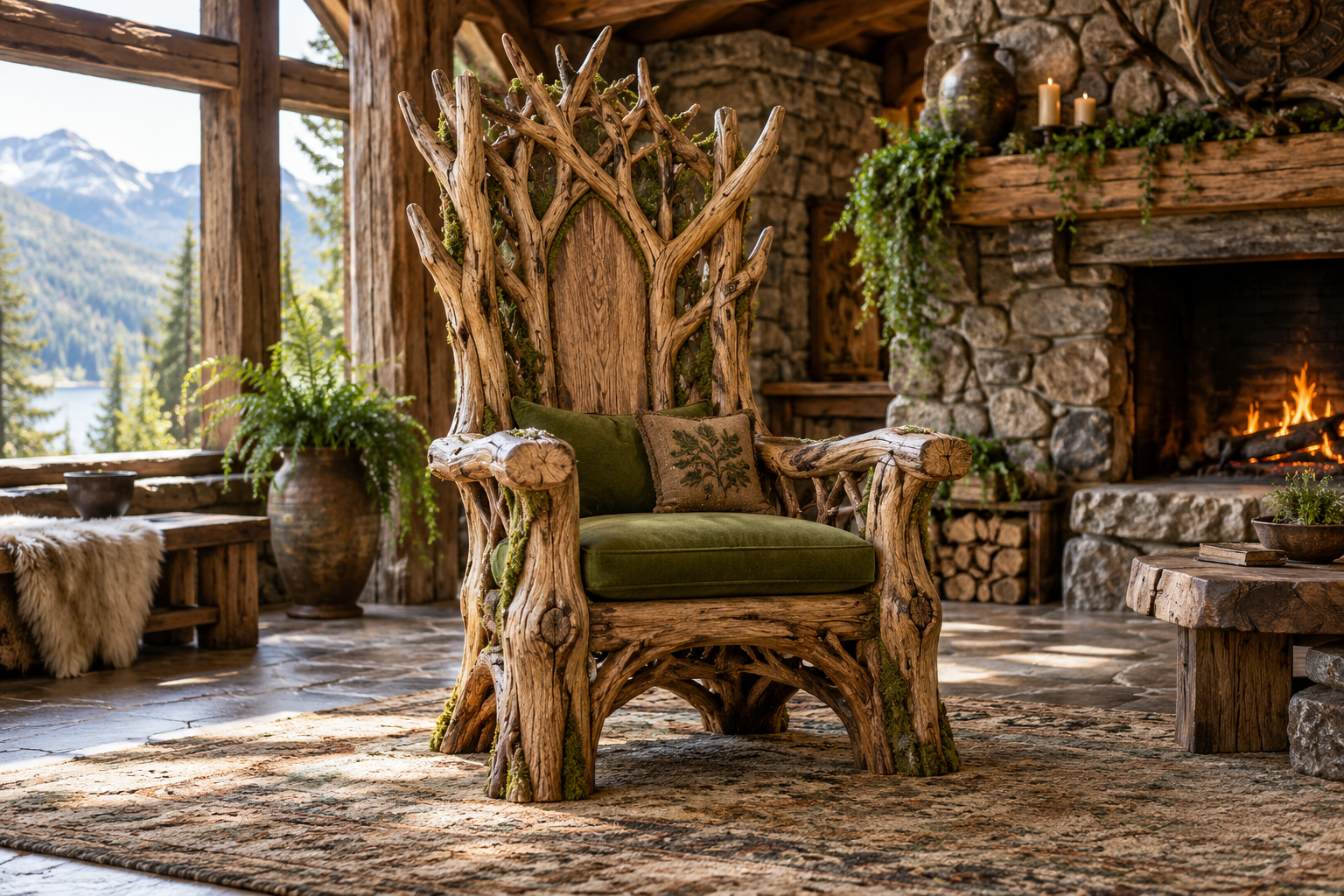
Rustic & Organic Seating
A branch-like arm, a broad timber surface, or the rhythm of repeated leaf forms can connect a throne to the natural world without making every inch look like a forest. Rustic & Organic Seating explores that range, from visibly worked wood to stylized botanical silhouettes.…
Read More »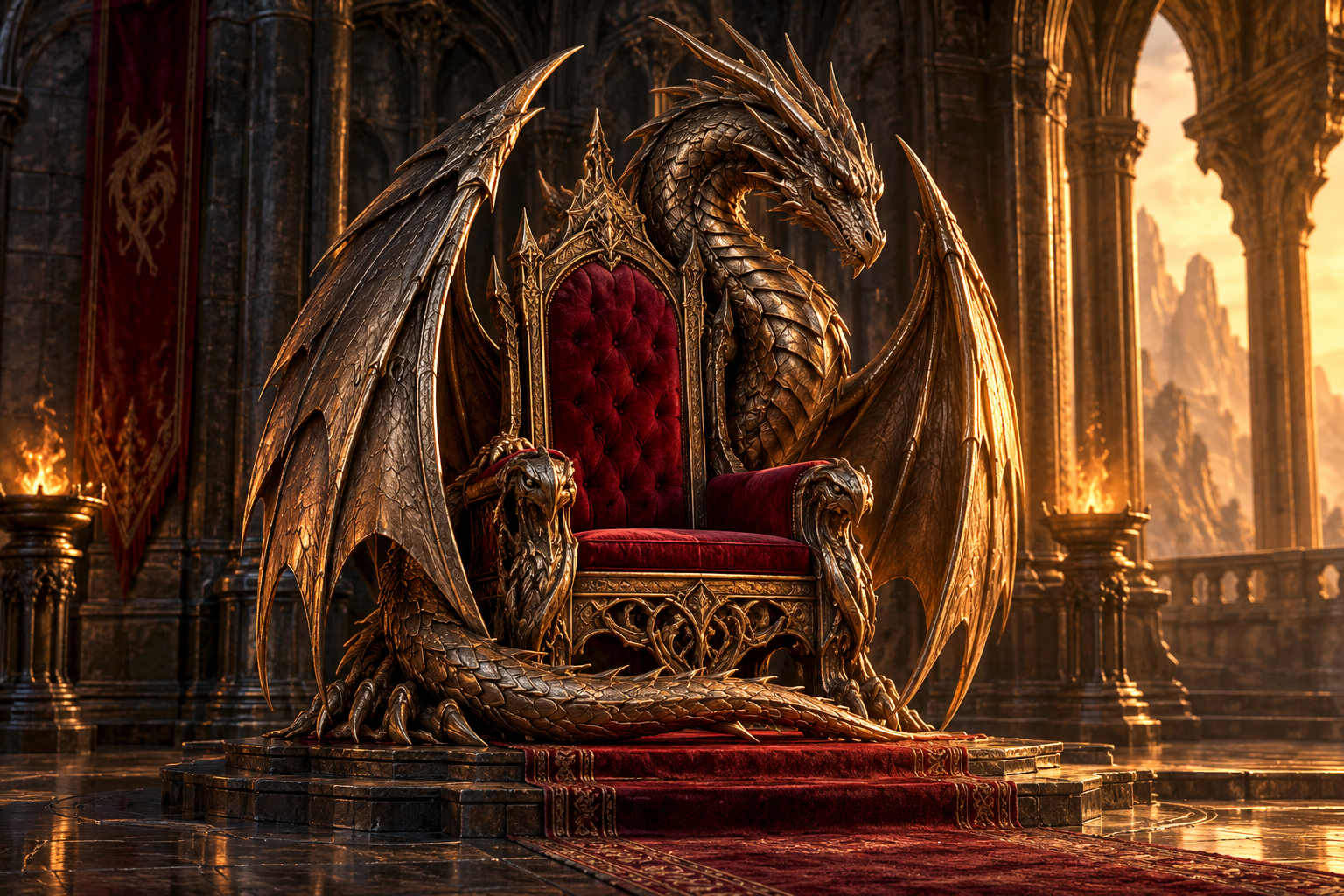
Fantasy & Creature-Inspired Seating
A dragon curling around a seat can seem protective, possessive, watchful, or ready to strike. The same creature motif changes meaning through posture and its relationship to the occupant. Fantasy & Creature-Inspired Seating explores that relationship as the foundation of fantasy seating. Begin by deciding…
Read More »
Futuristic & Industrial Seating
Futuristic seating can suggest a new world through disciplined physical choices. Folded planes, exposed frameworks, metallic surfaces, integrated light, and carefully controlled openings can create a strong identity without filling every surface with imaginary controls. Futuristic & Industrial Seating explores that vocabulary for statement chairs,…
Read More »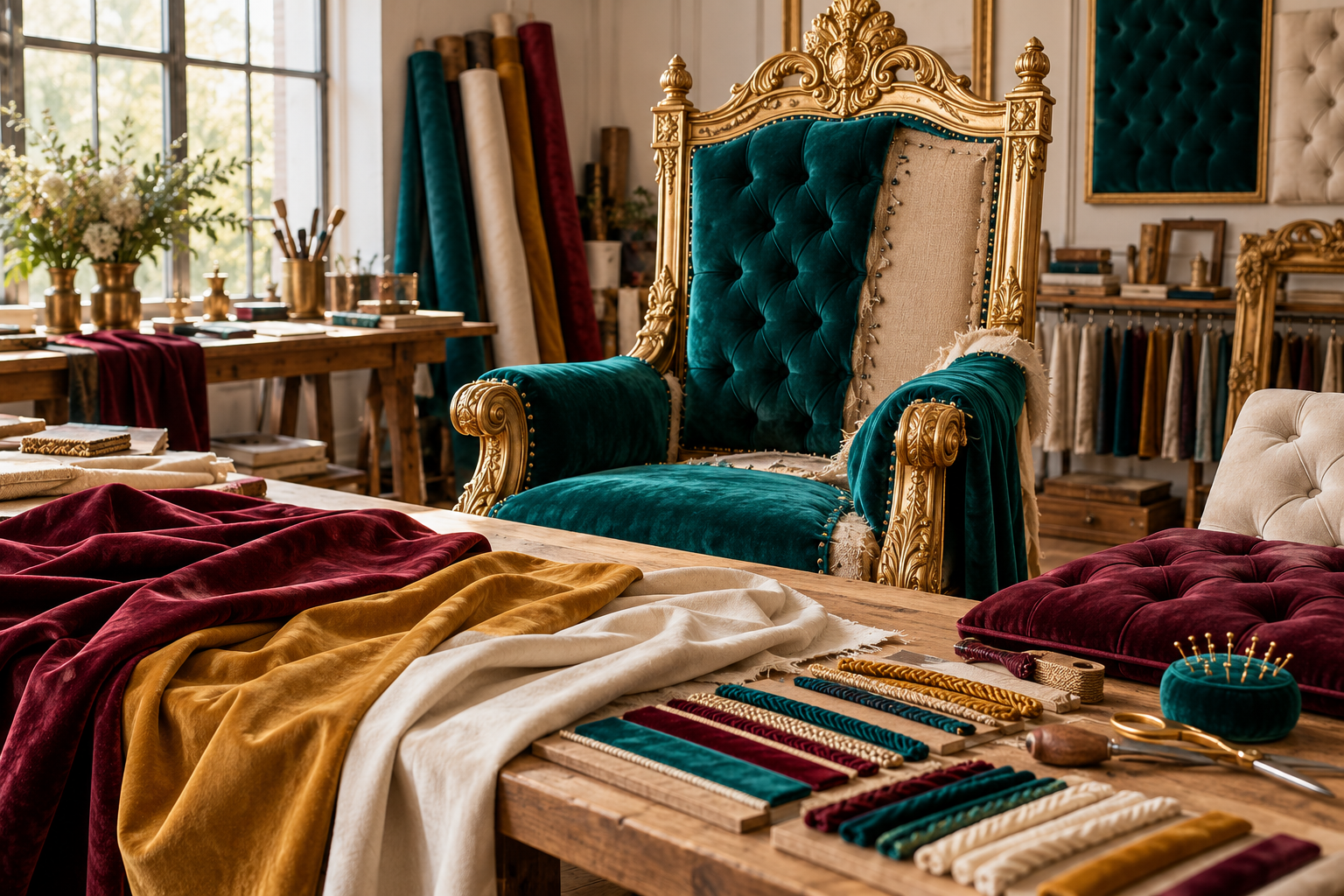
Color, Texture & Upholstery
Color can make a throne feel regal, playful, calm, mysterious, or warmly domestic before anyone examines its carving. Upholstery gives that palette a physical surface, bringing texture, pattern, sheen, and softness into the composition. Color, Texture & Upholstery explores how those choices work together. Look…
Read More »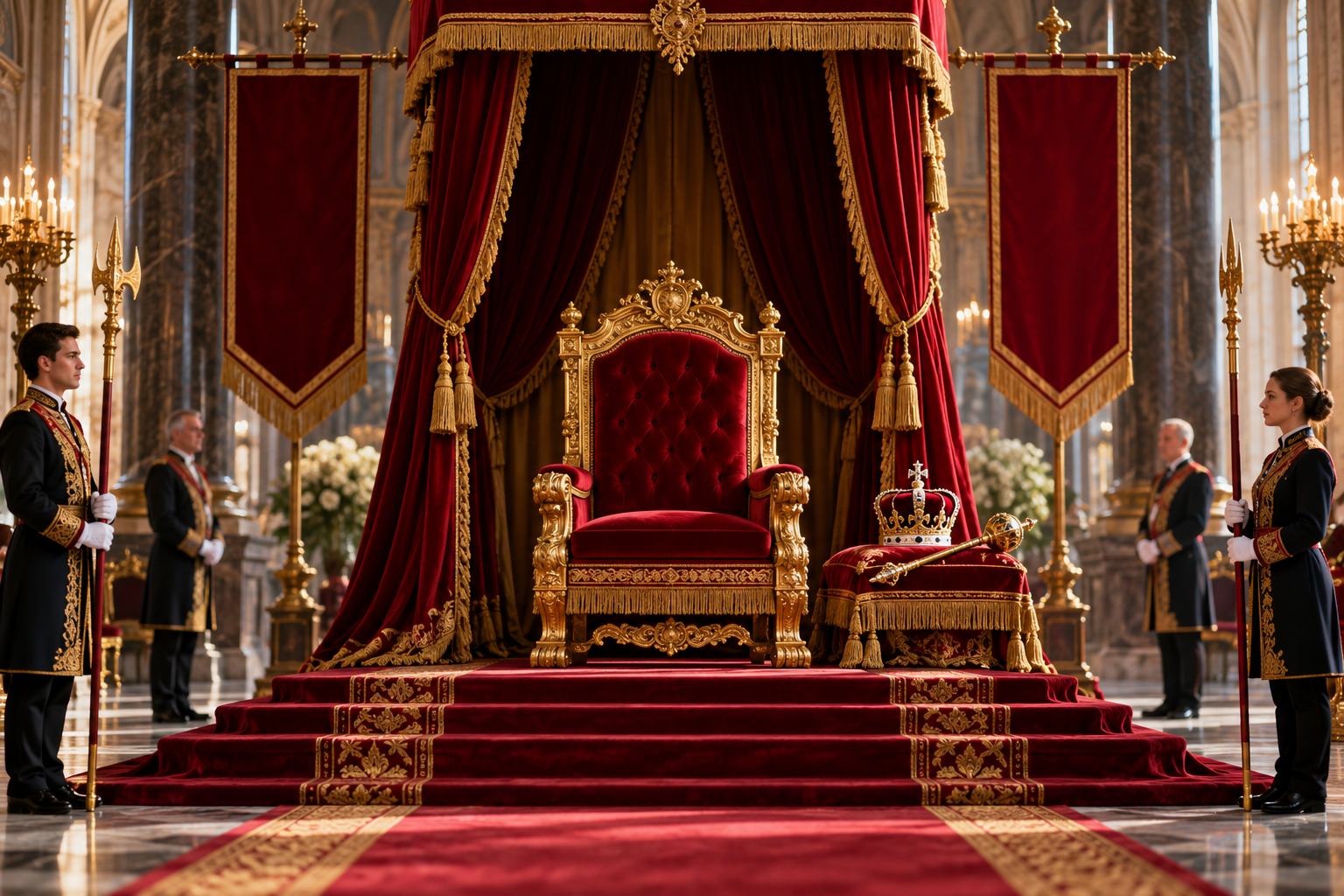
Symbols, Crests & Ornament
A throne becomes more than a chair through the actions, relationships, and signs surrounding it. An entrance, oath, presentation, change of occupant, or deliberate refusal to sit can make authority visible without altering the furniture itself. Symbols, Crests & Ornament examines that interaction between object…
Read More »