
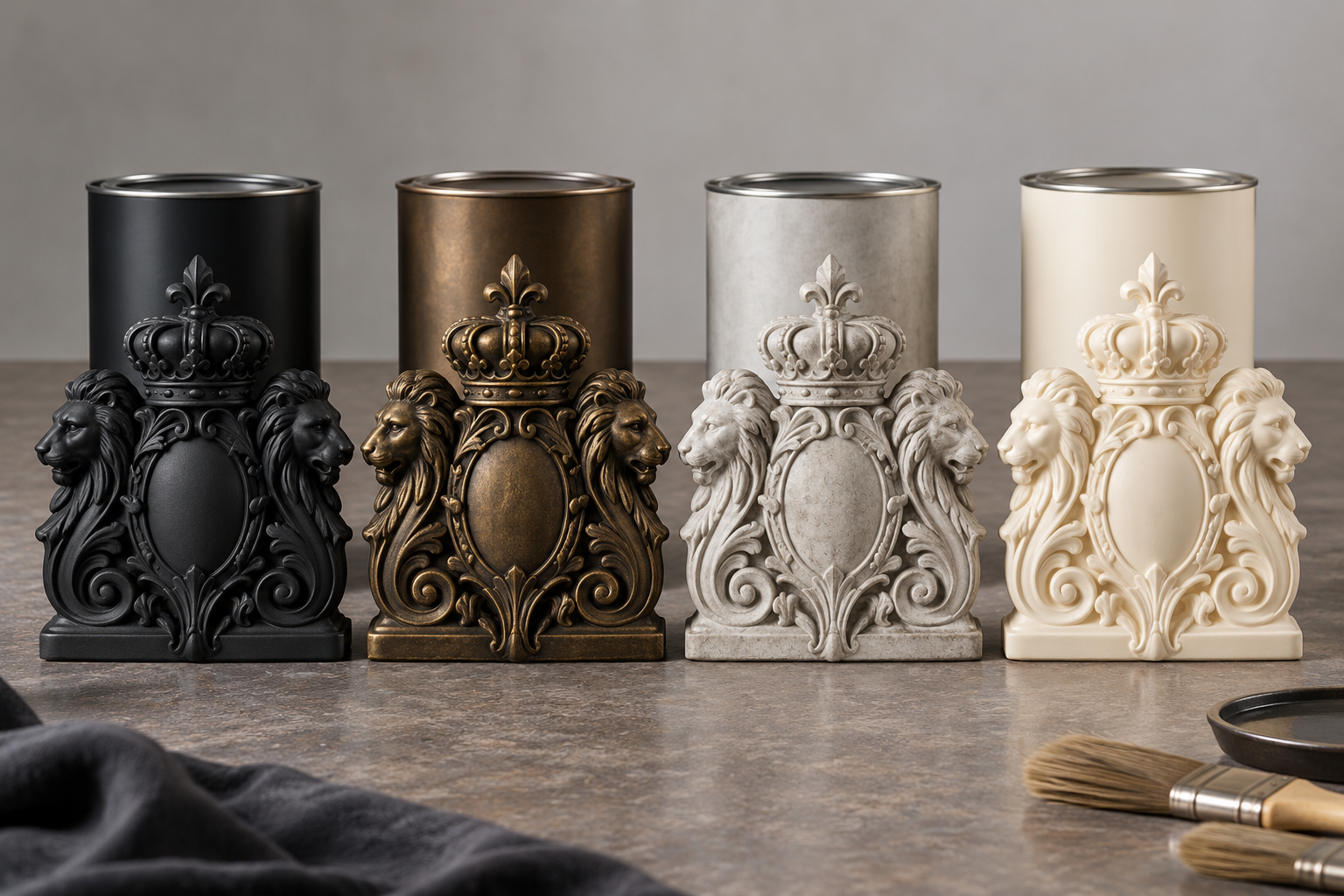
The final surface of a seat affects how it looks, feels, photographs, and responds to use. Painted timber, metallic effects, textured skins, smooth upholstery, deep channels, and patterned fabric each create different relationships with the underlying form. Finish & Upholstery Comparisons explores those choices as complete design systems. A color name does not describe sheen, texture, preparation, or the way light moves across a surface. Likewise, a fabric's appearance on a small swatch may differ from its effect across a tall back or curved arm. Compare samples in the intended setting and alongside the materials they will meet. We consider contact areas, pattern scale, seams, trim, repairability, cleaning expectations, and the distinction between a visual effect and a documented performance claim. A dramatic finish may suit a scenic surface while a quieter material better serves the occupant's immediate surroundings. This section helps connect surface decisions with purpose, rather than treating them as the final decorative step. The aim is a coordinated result in which frame, fabric, texture, and color strengthen the seating's physical and visual identity.
Throne Foundations
Compare finish and upholstery as parts of a complete seating composition. Start with the intended visual character, contact areas, surrounding light, and expected pattern of use.
A metallic frame and a textured cushion perform different roles even when they share a color family. Describe the finish system beneath the final appearance, and distinguish upholstery fabric from padding and underlying support. This keeps the comparison grounded in how the seat is assembled and experienced rather than in attractive swatches alone.
Royal Facts
A small flat sample does not show how a surface behaves around a curve or in a recess. Fabric direction, seam placement, and pattern alignment can also change the appearance of an upholstered form.
Similar colors may look different because of sheen or texture. Compare samples at a useful size and under the same light. Record the exact sample identification and orientation so an approved effect can be communicated clearly instead of relying on a photograph whose color may differ from the material.
Royal Picks
Create paired sample boards showing each proposed frame finish beside its upholstery. Include an edge, a shallow recess, and a trim transition if those details appear in the design.
For patterned fabric, show enough area to understand a repeat across the cushion or back. For a dramatic gloss or metallic effect, inspect it from the intended camera positions. Choose a shortlist around the project's priorities, such as an understated interior focal point, repeated event handling, or a highly photographed scenic setting.
Behind the Throne
Plan how the appearance is maintained. Ask where upholstery attaches, whether a cushion cover can be replaced, and how a local finish repair would meet adjacent surfaces.
A close color match may still stand out if texture or sheen differs. Deep tufting and elaborate trim also change the amount of detail that must be reproduced during refurbishment. Keep the approved material references with the project record, and document substitutions so a later replacement does not rely on the original sample alone.
Throne Wonders
Try assigning one dominant texture and one quieter supporting surface. A richly patterned seat can sit within a restrained frame, or an ornate frame can surround simple upholstery.
The contrast helps the eye understand the form. Another useful experiment is to view the palette in grayscale: if everything merges into one tone, the silhouette may depend heavily on lighting. These studies encourage a deliberate hierarchy rather than covering every available surface with the most dramatic material in the sample collection.
Throne FAQs
Is the most luxurious-looking fabric always appropriate? Choose according to the actual use, care requirements, and design intent.
Can a photograph approve a color? Use a physical sample when a close match matters.
Should trim conceal every joint? Only where it serves a considered detail; it should not substitute for a resolved assembly.
How do you compare competing finishes? Review representative samples on the intended substrate and geometry, along with documented care and repair expectations for the complete surface system.