
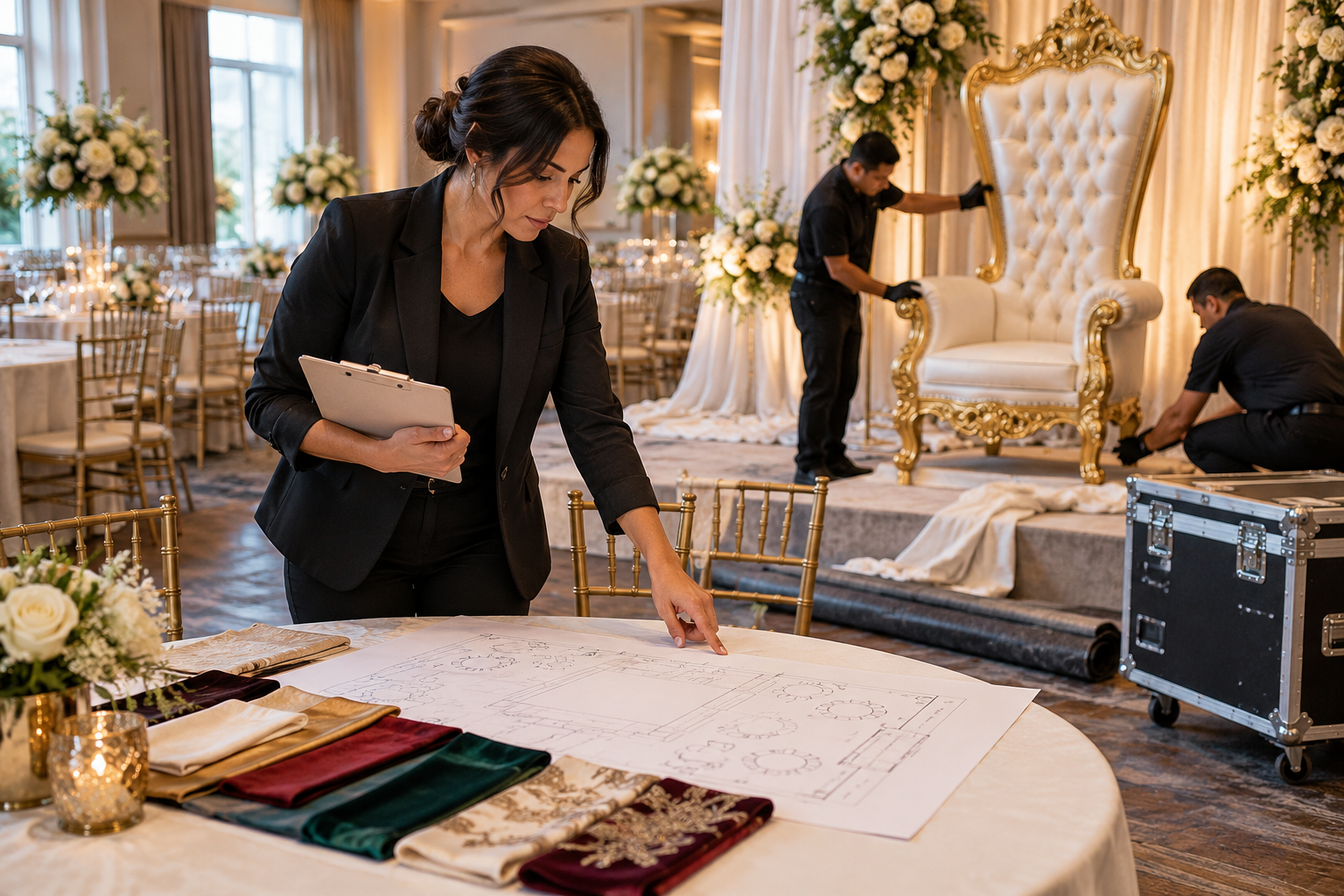
A distinctive seating concept can reach an event or destination through several routes. It may be designed and fabricated from the beginning, selected from an existing rental collection, or developed by adapting a suitable object. Custom Build, Rental & Adaptation compares those paths through the same practical brief. Consider how specific the silhouette must be, how long the installation will be used, what changes are permitted, and who will care for it afterward. A rental may provide a known object and defined service, but its decoration and modification limits matter. A custom build offers a different level of design control while requiring development and fabrication time. Adaptation can make useful use of an existing form, provided the proposed changes and intended interaction are properly reviewed. This section looks at ownership, logistics, condition, visual flexibility, maintenance, and the complete project scope. The aim is not to declare one route superior. It is to understand which approach can deliver the intended physical experience with clear responsibilities and realistic expectations, so the seating's distinctive character is supported by a workable plan.
Throne Foundations
Compare custom fabrication, rental, and adaptation against one shared brief. Record the intended activity, usable dimensions, visual character, venue, and period of use before considering individual offers.
A rental might solve a single event well, while a custom piece might address an unusual silhouette or repeated use. Adaptation starts with an existing object whose suitability must be understood. None is automatically the economical or creative choice: the useful question is which route meets the actual requirements with the fewest unresolved compromises.
Royal Facts
A rental listing can show flowers, a backdrop, or a platform that is not included. An adapted chair may retain its original limitations even after its appearance changes. A custom quote may cover fabrication while excluding design development or installation.
Record these distinctions explicitly. Compare the delivered scope rather than the headline price, and ask which dimensions refer to the outer ornament versus the usable seat. A visually similar offer may describe a substantially different object or service.
Royal Picks
Build a comparison sheet with separate lines for design work, furniture, styling, delivery, assembly, collection, storage, and future care. Mark each line as included, excluded, or unresolved.
Add photographs of the exact rental item or adaptation candidate rather than a representative model. For a custom proposal, ask what review materials precede fabrication. The strongest shortlist is one whose differences you can explain: for example, immediate availability versus a specific fit, or recurring storage versus a return collection after the event.
Behind the Throne
Adaptation deserves its own investigation. Replacing upholstery, adding a decorative back, or attaching a crest can affect different parts of the existing chair. Identify what remains, what changes, and how the new work connects.
In a hybrid scene, a separate backdrop may achieve the desired visual height without modifying the seat itself. For rental furniture, agree on permitted decoration and its removal method before designing around it. These decisions prevent an attractive concept from depending on an alteration that cannot actually be made.
Throne Wonders
Consider three versions of the same scene: a hired chair with a distinctive background, an existing seat with reversible styling, and an original fabricated form. Keep the camera position and surrounding space constant.
The comparison may reveal that the backdrop carries most of the visual identity, or that a unique chair silhouette is essential. This simple exercise directs effort toward the part visitors will notice. Custom impact can come from the whole composition, even when not every component is newly made.
Throne FAQs
Does custom mean every part is original? No; a project may use suitable standard components within an individually developed design.
Is rental always cheaper? Compare the complete service and number of uses before deciding.
Can any chair be adapted into a throne? Its condition, geometry, construction, and intended use limit the available changes.
What should happen if the preferred route cannot meet the deadline? Revisit the brief and identify the visual or functional priorities that can be preserved through a different approach.